


Food for trekking and mountains
Food for trekking and mountains
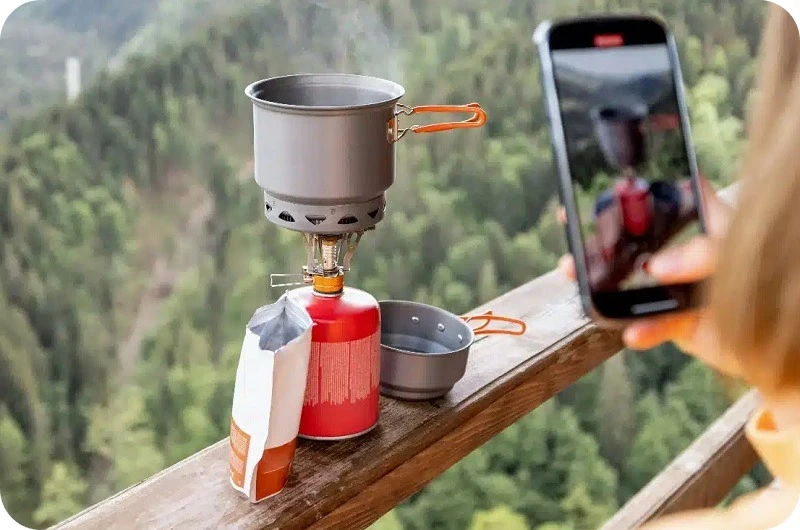
Choosing the right nutrition in the mountains is the most critical factor for ensuring your performance, safety, and the success of your outing, as extreme physical exertion and high altitude cause your body’s energy demands to skyrocket. In high-mountain environments, caloric expenditure can easily reach between 4,000 and 8,000 calories per day.
Inadequate nutrition and hydration not only lead to tiredness but also cause extreme muscular fatigue, a loss of reflexes, and cramps, while drastically increasing the risk of hypothermia or altitude sickness.
Proper nutrition in the mountains serves as the essential fuel for maintaining your performance. When exposed to high altitude, cold temperatures, and long treks, your caloric needs surge, requiring a smart nutritional strategy structured into three fundamental phases.
1. Before the trek: Loading up your reserves
The primary goal before you begin your hike is to fill your muscle and liver glycogen stores.
• In the days leading up to the trek: Increase your intake of complex carbohydrates (pasta, brown rice, bread, and legumes).
• Breakfast on the day of the trek: This should be a light meal rich in slow-release carbohydrates, consumed 2 to 3 hours before setting off. Options like oatmeal with nuts, whole-grain bread with egg, or muesli are ideal. Be sure to drink plenty of water so that you start your journey fully hydrated.
2. During the activity: Consistent, light intake
In the mountains, it is vital to eat small amounts every 60 to 90 minutes—even before you feel hungry—to prevent sudden drops in energy. The food you carry in your backpack should meet three criteria: it must be lightweight, calorie-dense, and easy to digest. • Quick-energy snacks: Dried fruits (dates, raisins, ripe banana), nuts and seeds (which provide concentrated healthy fats and minerals without being heavy to digest), dark chocolate, and energy bars or glucose gels for steep ascents.
• Main meals (for long routes): If your outing lasts longer than 5 or 6 hours, choose carbohydrate-rich dishes. Options like pasta Bolognese, chicken curry with rice, or couscous with vegetables are perfect for replenishing muscle glycogen.
• Crucial hydration: Take small sips of water every 15–20 minutes. At high altitudes or in cold weather, you lose a significant amount of fluid just by breathing. Consider carrying electrolyte tablets or sodium salts to dissolve in your water if you sweat heavily or if the route is particularly demanding.
3. After the route: Recovery and rest
The 4 hours following exercise are the "golden window" for replenishing nutrients.
• Recovery dinner: Opt for a meal with a ratio of two-thirds carbohydrates (to replace what was burned) to one-third high-quality protein (to repair muscle fibers). Hot soups are an excellent choice—they’re comforting in the cold—as are stews and hearty potages. Meat-based or legume-based stews (including freeze-dried versions) provide the fats and proteins needed for overnight recovery and help maintain body temperature in cold climates.
Food and nutrition at Tècnic Esports
In our store, you’ll find a selection of food and nutritional products. Choosing the right nutrition in the mountains is a key factor in the success of your route—and in your own safety. Unlike on flat terrain, high altitude, cold temperatures, and prolonged physical exertion significantly increase your body’s caloric expenditure.
Want to see them in person? Visit us at Tècnic Esports, Encamp — expert advice on skiing, mountaineering, and climbing.


