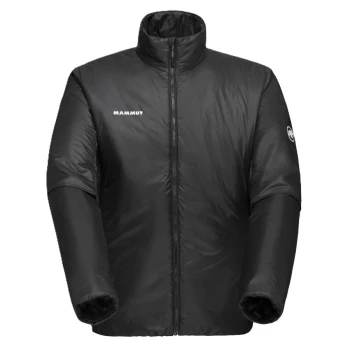
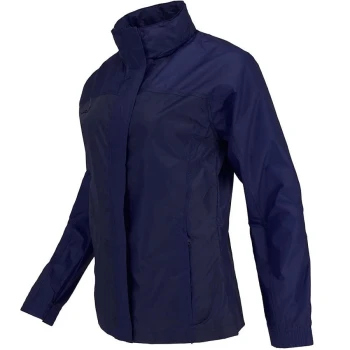
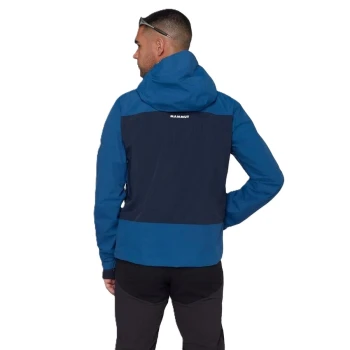
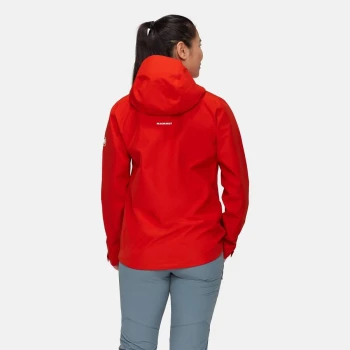
Mountain Jackets
Mountain Jackets
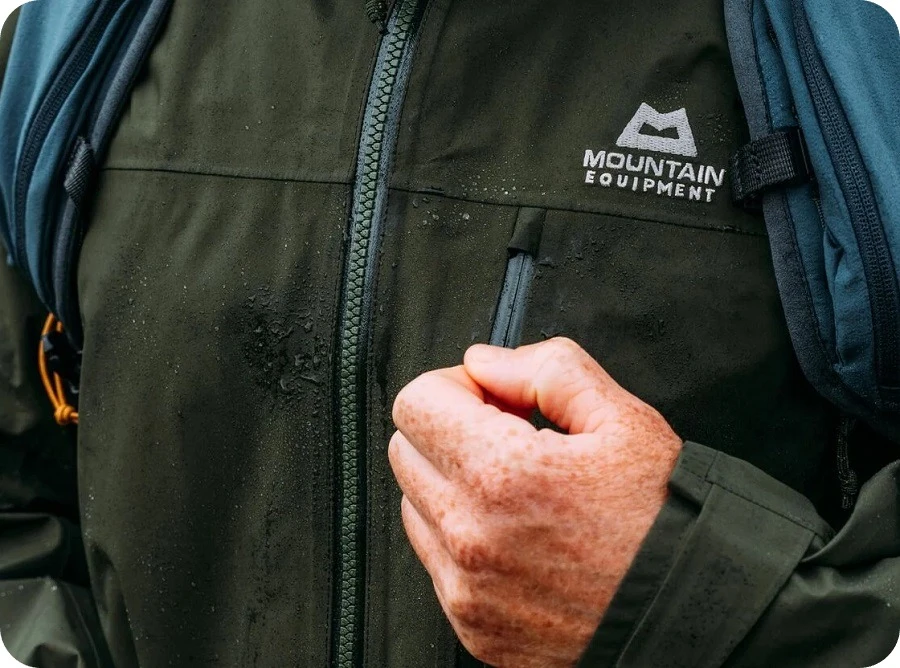
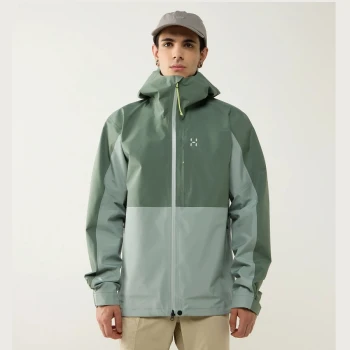
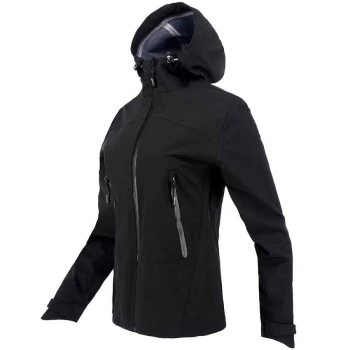
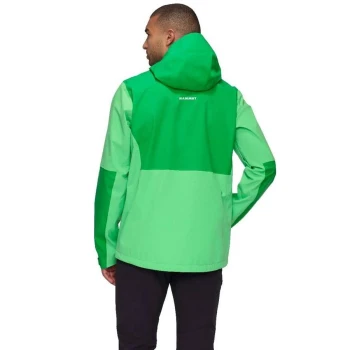
For your outdoor excursions, a waterproof mountain jacket (also known as a "third layer" or "hardshell") is the most critical piece of gear, as it protects you from wind, rain, and snow while keeping your body dry.
When choosing the ideal jacket, you should consider two main factors: waterproofness (measured in millimeters of water column) and breathability (measured using the MVTR or RET scale). This ensures you stay dry—not just from the elements on the outside, but also from sweat on the inside.
The secret to selecting the perfect waterproof mountain jacket lies in balancing waterproofness, breathability, and durability based on the specific activity you plan to undertake. There is no single "perfect" jacket for everything; rather, there is one that is best suited for each situation.
1. Number of Layers (Construction)
Jackets are constructed by bonding a membrane to other fabrics to protect it. Look for these classifications on the product labels:
• 2-layer (2L) jackets: The membrane is bonded only to the outer fabric, with a loose mesh lining on the inside. These are comfortable and suitable for urban use, but they tend to be heavy and lack the technical features required for high-mountain environments.
• 2.5-layer (2.5L) jackets: The membrane is bonded to the outer fabric, while the inside features a protective textured pattern or "print" instead of a full lining. These are ultralight and compact—ideal for keeping in your backpack "just in case" or for trail running—though they are less durable.
• 3-layer (3L) jackets: The perfect "sandwich." The outer fabric, the membrane, and the inner lining are fully laminated into a single, integrated piece. These are the most robust, durable, and protective options, designed for mountaineering, ski touring, or demanding trekking.
2. The two metrics you should check
Always look for these two numbers in the product specifications:
Waterproofness (Water column / Schmerber)
This measures the water pressure a fabric can withstand before water penetrates it.
• 10,000 mm: Basic waterproofness. Suitable for light rain or dry snow.
• 15,000 mm to 20,000 mm: The mountain standard. Withstands heavy storms and the pressure from backpack straps.
• +20,000 mm: Extreme protection for expeditions, multi-day mountaineering, and severe storms.
Breathability (RET or MVTR)
• If measured in RET (lower is better):
• RET < 6: Extremely breathable (for high-intensity activities like running or ski touring).
• RET 6 to 13: Highly breathable (for hiking, trekking).
• RET > 13: Low breathability (for urban use or stationary activities).
• If measured in MVTR (higher is better): Values above 15,000 g/m²/24h are ideal.
3. Essential technical details ("Finishing touches")
A good membrane is useless if water gets in through the seams or zippers. Ensure the product features the following:
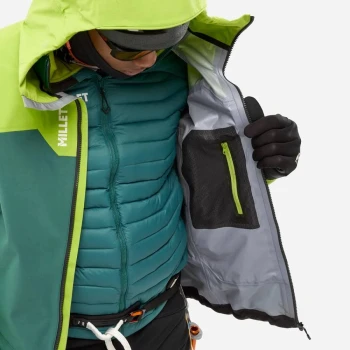
• Heat-sealed (taped) seams: Essential. All internal joints must be covered with an adhered plastic strip.
• Ventilation zippers: Openings under the armpits are vital. When climbing a steep slope, no membrane can keep up; you need to open these zippers to avoid becoming soaked in your own sweat.
• Helmet-compatible hood: If you engage in climbing or mountaineering, the hood should be large and adjustable via elastic drawcords at three points (around the perimeter and at the back). • High-positioned pockets: Front pockets should be placed high up so that they remain fully accessible even when you are wearing a harness or a backpack’s hip belt.
Mountain Jackets at Tècnic Esports
In our store, you will find a selection of mountain jackets. Choosing a waterproof mountain jacket (also known as a technical jacket or "hard shell") is the most critical decision for your protection in the outdoors. It is not just a simple outer layer; it is your first line of defense against extreme weather conditions.
Want to see them in person? Visit us at Tècnic Esports, Encamp — expert advice on skiing, mountaineering, and climbing.