Watertight bag
Watertight bag
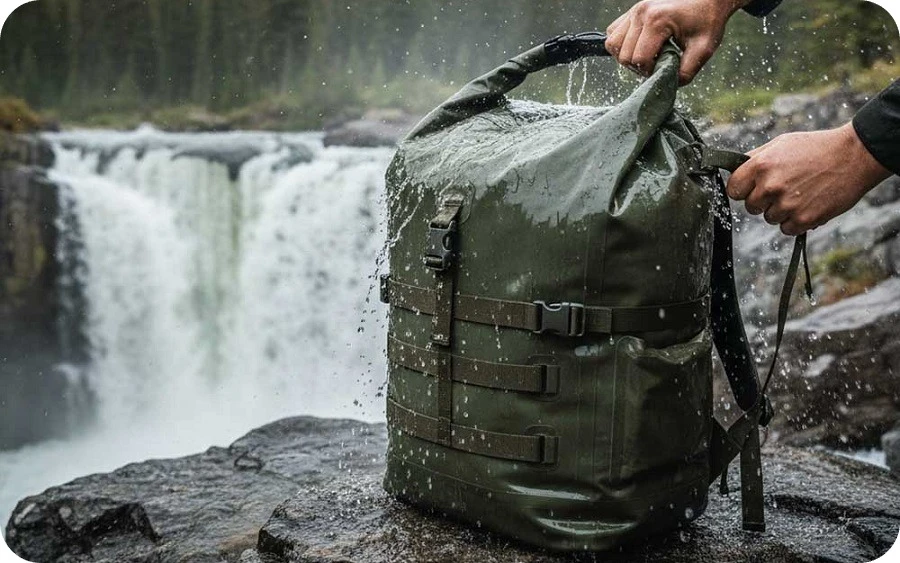
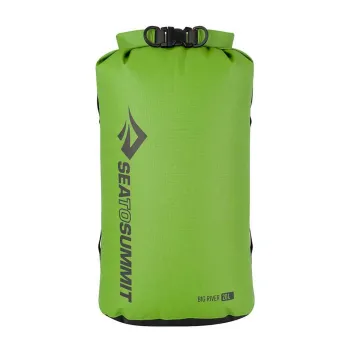
Dry bags are flexible, completely waterproof containers designed to protect your clothing, electronic devices, and personal belongings from water, sand, and dust during activities such as kayaking, paddleboarding, hiking, or days at the beach.
Choosing the right dry bag depends primarily on the activity you plan to do and how long the bag will be exposed to water.
1. Level of Waterproofing (Choosing the Closure)
Not all bags withstand water pressure in the same way. They are categorized based on their type of closure and certification:
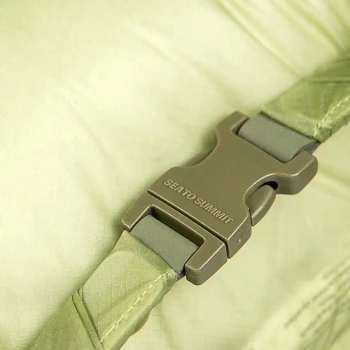
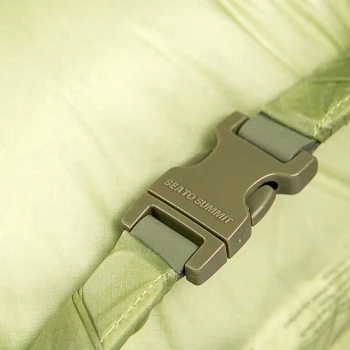
• Roll-top closure: This is the most common type. You fold the top down 3 or 4 times and secure it with a clip. These are perfect for kayaking, paddleboarding, or use in the rain; they will float if they fall into the water, but they are not designed for prolonged submersion.
• Airtight zipper closure: Similar to a freezer bag, but of industrial-grade quality. These are completely submersible and trap air inside. They are ideal for canyoning or for carrying expensive photography equipment.
• IP Rating: If you are looking for something technical, check the IP code. An IPX6-rated bag can withstand high-pressure water jets (such as heavy rain or splashes on a boat), while an IPX7 or IPX8 rating allows for full submersion in water.
2. Size (Capacity in Liters)
Size is measured in liters, and you should choose based on what you intend to pack:
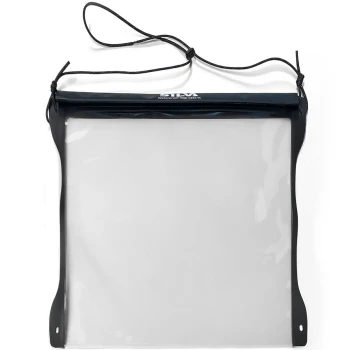
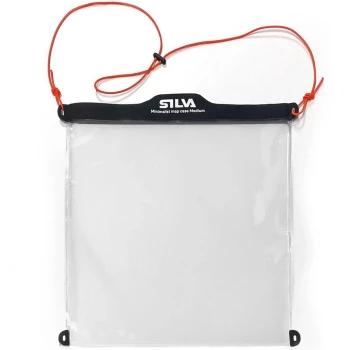
• 1 to 5 liters: Small sizes. Ideal for protecting keys, a mobile phone, a wallet, and a passport.
• 10 to 20 liters: The most versatile size. Suitable for a day trip; it can hold a towel, a change of light clothing, food, and a waterproof jacket.
• 30 to 40 liters: For multi-day trips or sports that require a lot of gear (such as scuba diving or cycle touring). These have enough capacity for sleeping bags or warm clothing.
• Over 50 liters: Typically large backpacks or duffel bags designed for long expeditions.
3. Material (Durability vs. Weight)
The material determines how much rough handling the bag can withstand:
• PVC (Tarpaulin): The classic choice—very thick and ultra-durable. It is nearly impossible to tear and resists abrasion from rocks or sand. The downside is that it is heavy and rigid.
• Nylon (with a PU or silicone coating): Much lighter and more flexible; ideal for placing inside a hiking backpack. Look for "ripstop" nylon and check the "denier" rating (which indicates thread thickness); a rating of 70D or higher is a good choice for standard use.
Dry Bags at Tècnic Esports
At our store, you will find a selection of dry bags. Choosing a dry bag is essential when you need to protect your belongings from water, moisture, dust, and dirt in aquatic environments or areas with high humidity.
Want to see them in person? Visit us at Tècnic Esports, Encamp — expert advice on skiing, mountaineering, and climbing.