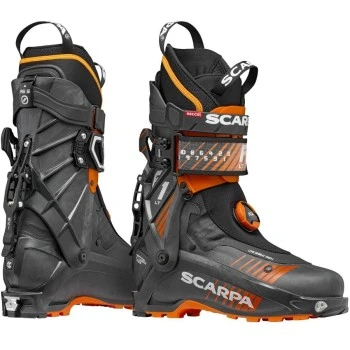
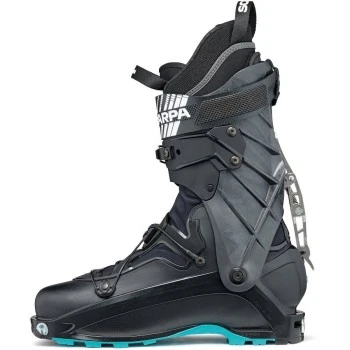
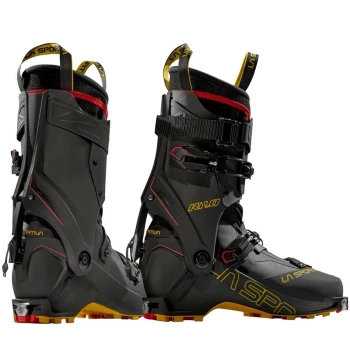
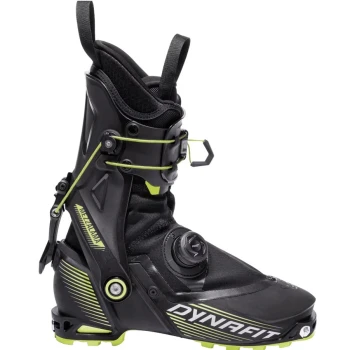
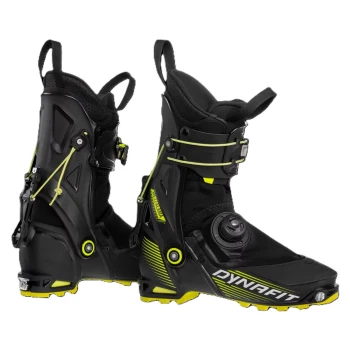
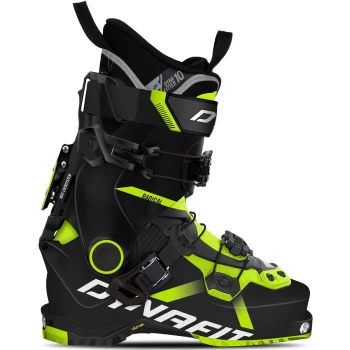
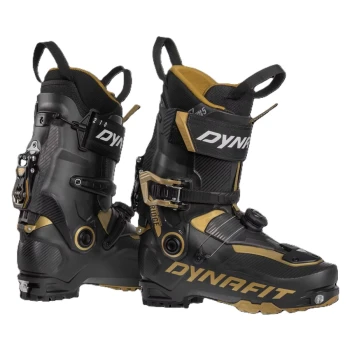
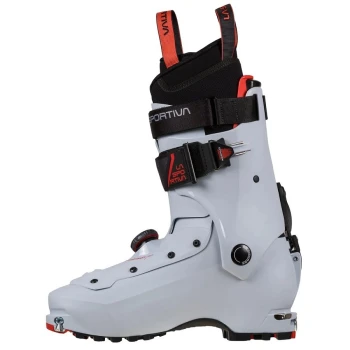
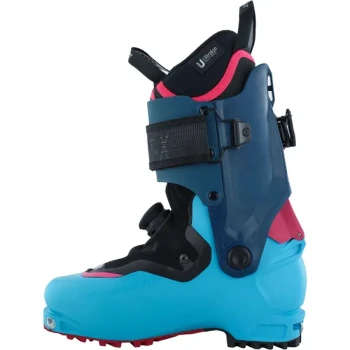
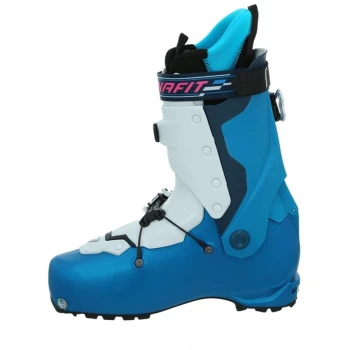
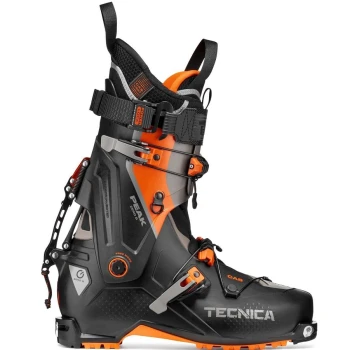
ski touring boots
ski touring boots
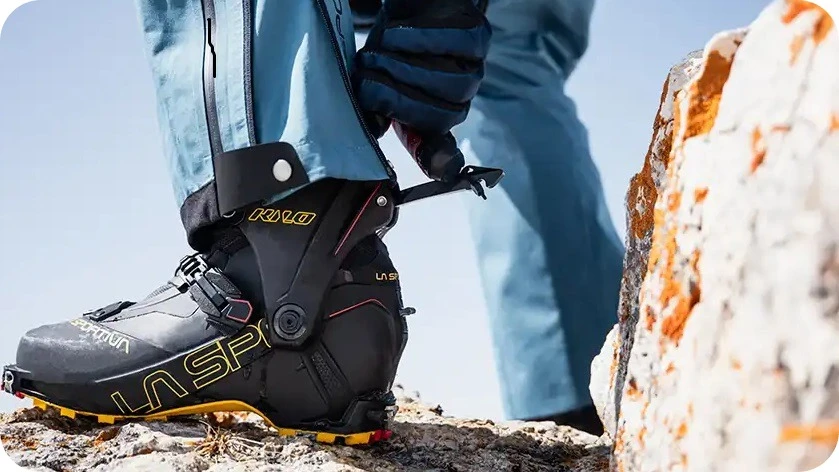
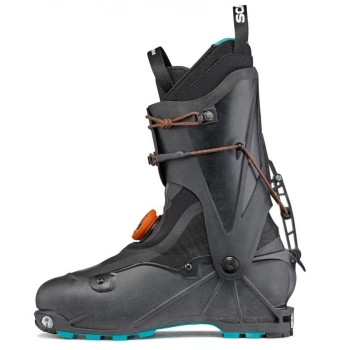
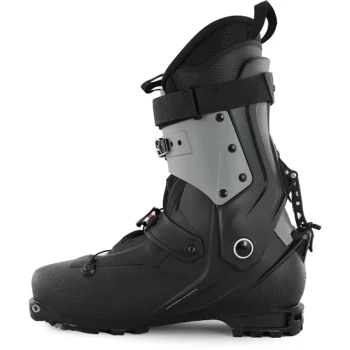
A ski touring (or "skimo") boot is a type of hybrid footwear specifically designed to facilitate both the ascent—using skins—and the descent while skiing in off-piste, snow-covered terrain. Unlike traditional alpine ski boots, which keep the ankle fixed and rigid, skimo boots are characterized by their light weight, mechanical flexibility, and adaptability to the terrain.
When choosing the right ski touring (skimo) boot, you should prioritize finding a balance between uphill performance (light weight and cuff rotation) and downhill performance (rigidity or "flex"), while also ensuring full compatibility with your bindings.
1. Define Your Skiing Style (Category)
Weight and mobility vary significantly depending on your intended use:
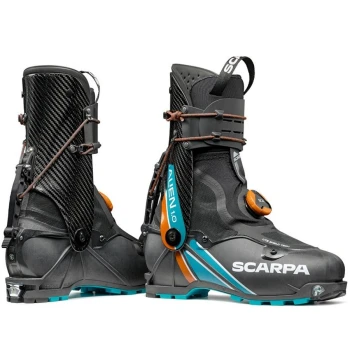
• Competition / Ultra-Light Skimo: Extremely lightweight boots (less than 800g per boot) made from carbon fiber. They offer an exceptional range of motion (+75°) but provide very little support during the descent. Ideal if your primary goal is to climb quickly.
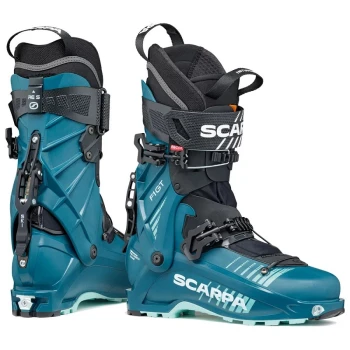
• Touring / All-Round: The standard choice for most skiers. These weigh between 1,000g and 1,400g. They offer excellent cuff rotation (60° or more) and a decent flex, allowing for confident descents in all types of snow conditions.
• Freetouring (Descent-Oriented): Designed for those who seek out challenging slopes and jumps. These weigh over 1,400g, feature a stiff flex (110 to 130), and have a more limited range of motion when walking; however, they perform on the descent much like a traditional alpine ski boot.
2. Cuff Rotation and Flex
• Cuff rotation: This refers to the range of motion the boot allows while in "walk" mode. For classic ski touring, look for boots with more than 60° of cuff rotation; this ensures a natural stride and prevents you from wasting extra energy on flat terrain or during transitions.
• Flex (Rigidity): Unlike in alpine skiing, the flex rating in ski touring is not standardized, though it still serves as a useful reference. A flex of 80–100 is ideal for beginners or lighter skiers, while a flex of 110–130 is necessary for advanced skiers or those seeking speed and control on steep descents.
3. Last and Fit
Ski touring boots are worn for hours, often while climbing uphill. A poor fit will ruin your outing.
• Length: When standing with the boot fastened in "downhill" mode, your toes should lightly brush the front. As you flex your knees forward, your toes should pull back slightly, and your heel should remain firmly planted on the footbed.
• Last Width: Measure the width of your foot. Narrow lasts (97–99 mm) offer maximum precision; medium lasts (100–102 mm) are the standard for comfort; and wide lasts (over 102 mm) are designed for wider feet.
• Heat-molding: Always choose boots with heat-moldable liners. A specialist can heat the liner to adapt it to the exact shape of your foot, helping to prevent blisters and pressure points.
Ski Touring Boots at Tècnic Esports
At our store, you will find a selection of ski touring boots. Choosing between a conventional touring boot and a "skimo" (lightweight or competition-focused) boot depends primarily on whether you prioritize comfort and security on the descent, or lightness and speed on the ascent.
Want to see them in person? Visit us at Tècnic Esports, Encamp — expert advice on skiing, mountaineering, and climbing.